
Choosing a Location
<< prev: 1.2 Design Goals : next: 1.4 Choosing a Style >>
Location Requirments
The pond location is more important than many people realize. Here are a few things to consider when choosing a location:
- Natural light. Sunlight is important for the health and survival of plants, but too much direct sun exposure can lead to water quality problems such as increased algae growth. Although it’s possible to control increased algae growth with UV filters in the case of green pond water, or barley straw treatments in the case of string algae, it’s best to choose a location that receives some shade throughout the day. Shade is especially important if you live in an area with very hot, intense sun. Some shade will not only help control algae blooms, but it will also help regulate the temperature of the water.
- Debris. Decaying organic material like leaves, sticks or grass is one of the most common causes of ammonia build-up in an ecosystem pond. With a well-functioning skimmer, it’s possible to collect most floating debris before it sinks. However, if you position your pond next to a very large tree, you will need to empty your skimmer more often to keep up with falling leaves. This job can become slightly overwhelming in the fall if you are dealing with a good-sized tree. If you can help it, and it doesn’t compromise the other design goals above, try to place your pond in a location that will limit falling leaves, or other sources of debris like grass clippings and sticks.
- Water Runoff. When choosing a location for a pond, think about runoff water when it rains or when a storm comes through. Will it run right into the pond? Or is the pond sheltered or protected in some way? Runoff water can contain pesticides, fertilizers, and other harmful chemicals from nearby yards or roadways, so it’s best to prevent it from getting in the pond if possible.
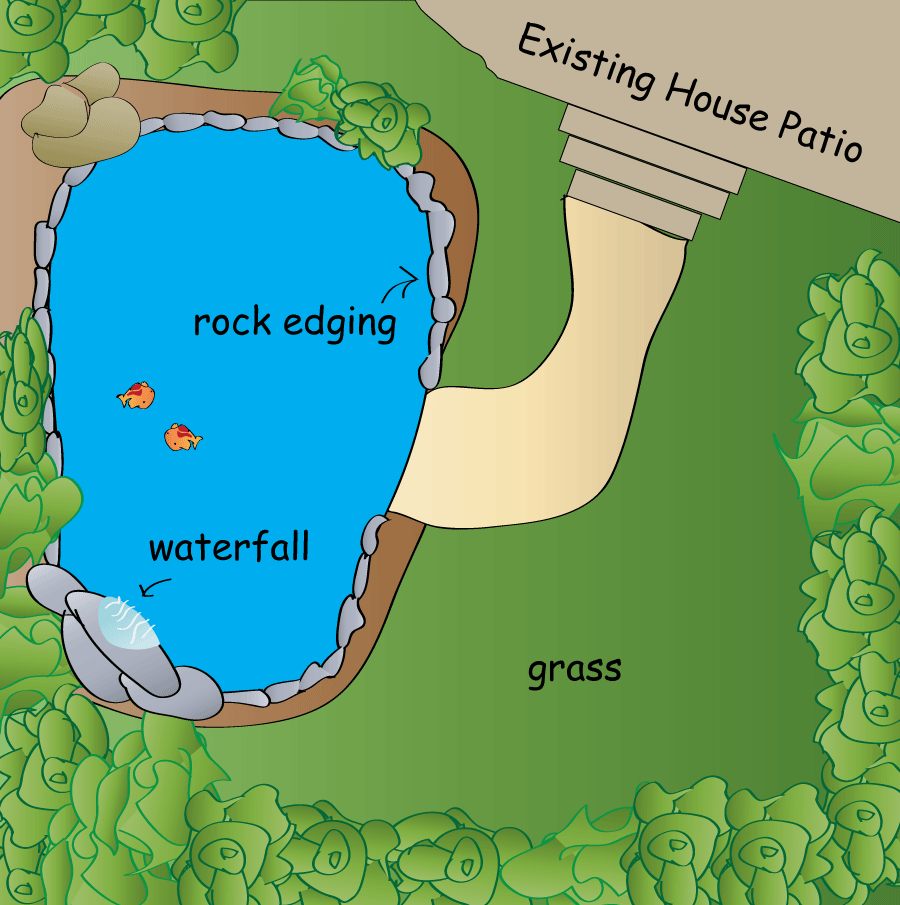
- Viewing Angles. A pond will usually look best from a certain angle. Where will your primary viewing location be? For most people, that would be their house or deck. When designing and building the pond, it’s important to keep in mind that each feature should face or look best from your main viewing spot. For example, if you have a waterfall, you’ll want to put it in a spot that will “face” your deck. Often a secondary viewing spot is nice as well—maybe a bench or strategically placed “sitting rock.”
<< prev: 1.2 Design Goals : next: 1.4 Choosing a Style >>
Need help choosing pond equipment?